

How Long Do Roofs Typically Last in Northern Michigan?

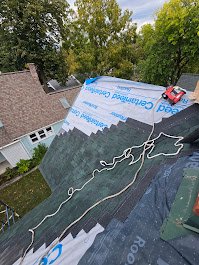
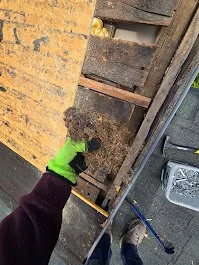
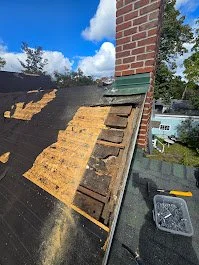
Roof lifespan depends on material and installation quality, but cold-weather exposure matters.
Average lifespans:
Asphalt shingles: 18–25 years
Architectural shingles: 22–30 years
Metal roofing: 40–70+ years
Heavy snow, ice dams, and poor ventilation can shorten these ranges.
Clear Signs Your Roof May Need Replacement
1. Shingles Are Curling, Cracking, or Missing
This is often the most visible sign.
Look for:
Curling edges
Cracked or brittle shingles
Granules collecting in gutters
Bald or uneven sections
These indicate the shingles are at the end of their service life.
2. Repeated Leaks or Water Stains
A single isolated leak may be repairable.
Multiple leaks or recurring water stains often point to systemic failure, not a small fix.
Signs include:
Ceiling stains
Damp attic insulation
Mold or musty smells
3. Ice Dam Problems in Winter
Ice dams are common in Northern Michigan and often signal:
Poor ventilation
Inadequate insulation
Aging roofing materials
Chronic ice dams can damage shingles, flashing, and interior finishes.
4. Sagging or Uneven Roof Lines
Any visible sagging should be addressed immediately.
Possible causes:
Structural issues
Water-damaged decking
Excessive snow load over time
This usually indicates replacement — not repair.
5. Flashing Failures Around Chimneys and Valleys
Flashing protects the most vulnerable parts of your roof.
If flashing is:
Rusted
Cracked
Pulling away
Water intrusion is likely already happening.
6. Your Roof Is Near or Past Its Expected Lifespan
Even if it “looks okay,” an aging roof:
Is more likely to fail during storms
Can cause insurance complications
May reduce resale value
Age alone doesn’t mean immediate replacement, but it should trigger inspection and planning.
Can a Roof Be Repaired Instead of Replaced?
Sometimes — especially if:
The roof is relatively new
Damage is isolated
There’s no underlying structural or moisture issue
However, repairs on an aging roof often turn into temporary fixes.
Why Roof Replacement Timing Matters
Waiting too long can lead to:
Interior water damage
Mold issues
Damaged insulation and framing
Higher replacement costs
Proactive replacement is usually less expensive than emergency work.
Best Time of Year to Replace a Roof in Michigan
Most roof replacements happen:
Late spring through early fall
However, experienced crews can replace roofs year-round with proper planning. Winter replacements require careful scheduling and weather monitoring.
How to Get an Honest Roof Assessment
A proper roof evaluation should include:
Visual inspection
Attic review (ventilation and insulation)
Flashing and penetration checks
Discussion of repair vs replacement options
Avoid contractors who immediately push replacement without inspection.
Planning a Roof Replacement in Northern Michigan?
If you’re located in the Traverse City area, we can:
Inspect your roof honestly
Explain repair vs replacement options
Help you plan ahead before problems worsen
Coordinate exterior work efficiently
Whether your roof needs attention now or in the next few years, having a clear plan makes all the difference.
